Why do my lemons have brown spots?
Answer
Toxin-producing fungus, phytophthora, causes Phytophthora root rot, also known as Brown Rot or Collar Rot, on the trunk of a tree. Hard dark brown patches appear on the trunk of a tree and seeping may be seen from the region where the rot has developed. It is possible for lemon trees to get infected with the Botrytis fungus, which causes Botrytis rot.
Are lemons with brown spots edible, just to clarify?
Always keep an eye out for brown patches, which signal that a lemon is beginning to spoil. On the negative side, there are a few things to consider… Most likely, mould has formed on the lemon’s surface, leaving a dark green layer with a powdery feel. Discard the lemon if any mould is visible.
Is it also okay to consume lemons that have black spots on them?
To that question, the answer is almost certainly yes, unless the spots penetrate the skin.. Generally speaking, if you peel the fruit and the fruit seems to be in good condition, you should be able to consume it.
Furthermore, what produces brown patches on citrus leaves is still a mystery?
When exposed to direct sunlight, sunburn may cause leathery areas on the fruit and leaves that are yellow or brown in colour. This is most common on the tree’s south and western sides. Leaves might curl if exposed to too much heat. Another typical reason of leaves that seem sick is overwatering. When there is too much water, leaves curl, become yellow, and eventually fall.
If a lemon is rotten, how do you recognise it?
Despite its small size, a fresh lemon will have a brilliant, smooth skin that feels solid and weighty. Soft texture and minor discoloration are frequent characteristics of poor lemons. Mold (mould) may quickly appear once a soft spot develops because the area gets damp and moist. Mold (mould) is often white in colour at first and will eventually become black. Moldy lemons must be thrown away.
There were 29 related question and answer combinations discovered.
Does eating rotten lemons make you sick?
A stomach ache may occur as a result of this medication. While lemon juice has a broad variety of health advantages, squeezing too much into your water may have hazardous consequences for your health, including worsening ulcers and the development of GERD, according to the website Livestrong.
What is the optimal amount of water for a lemon tree?
In general, lemon trees do not appreciate having their feet wet, and as a result, they need less water. In addition, watering a lemon tree’s foliage and fruit can make it more susceptible to disease in the long run. During the first week, water any freshly planted lemon trees every other day, and then once or twice a week for the next two months.
Is it okay to eat rotting lemons?
If a lemon or orange has “just little bits of mould on the peel, and it seems to be only on the surface,” you may try wiping away the mould with a clean cloth soaked in hot water or vinegar to see if the mould can be removed more successfully. Mold on the flesh, on the other hand, should be considered seriously if it appears on the person.
The reason for the brown patches on oranges is not known for certain.
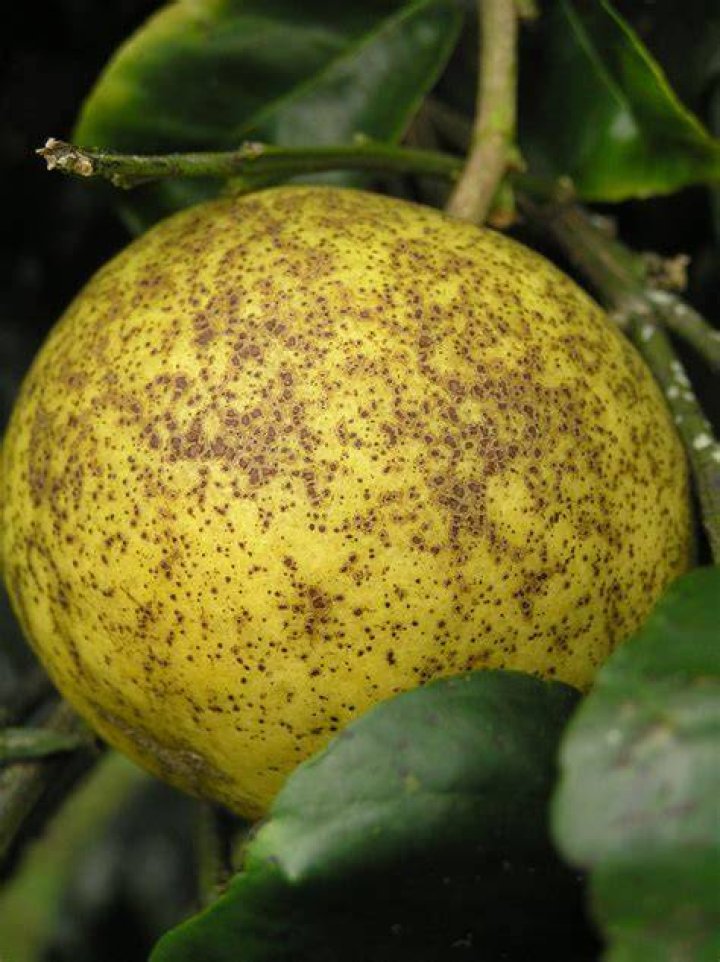
Answer: Citrus rust mites have damaged the skin of fruit that has dark brown discoloration on it. It is usually just the skin that is affected by citrus rust mites, which are too small to be seen with the human eye. It is common for fruit to ripen properly, but it may be smaller in size, with the pulp and juice still being suitable for consumption.
Is it dangerous to eat brown Lemon?
That is exactly what happens when you eat limes. If you keep a whole lemon on the counter for a week, it will survive a few more days in the pantry. Sliced lemons have a shelf life of 3 to 4 days in the refrigerator, depending on how they were sliced. They won’t go bad beyond that time, but they will definitely shrivel and dry up as a result of the drying process.
How long can you leave lemon water out?
In all seriousness, no… Left in water overnight, lemon slices will lose part of their sharpness and taste, while thick slicings may be used for garnishes and other uses in certain recipes. When it comes to leftovers, they will keep for a while but should be utilised as soon as possible in anything, such as lemonade or a fruit salad.
A lemon tree that has died has to be revived.
Establishing a regular care regimen and doing basic maintenance on a dwindling citrus tree will help it to recover and thrive again. Set up a regular watering plan, and make sure the soil is well hydrated before watering. Cut down sick branches, water sprouts, suckers, and branches that have been crisscrossed to make way for new growth in the early spring.
Should I spray my lemon tree at certain times of the year?
If the temperature is below 40 degrees Fahrenheit or over 90 degrees Fahrenheit, or if the plant is water-stressed, do not apply any pesticides to the plant. Spray a leaf with the solution and let it for 24 hours before applying a fresh insecticide to the lemon tree. The therapy should be continued if there is no harm to the leaf.
Do you know how frequently you should water a lemon tree that is in a pot?
It is recommended that a potted lemon tree be watered well approximately once every 5 days or when the soil is dry to the touch 2-3 inches below the surface, however this may vary depending on variables such as relative humidity, temperature, and plant age or size.
What is causing the black spots on my lemons to appear?
It is caused by a fungus called Guignardia citricarpa, which is responsible for the sickness. It is an Ascomycete fungus that affects citrus trees in all subtropical climes, reducing the amount and quality of fruit produced. Fruit and leaf lesions are among the symptoms, with the latter being particularly important for inter-tree dissemination of the disease.
When it comes to citrus trees, what do you use to spray them with?
Use horticultural oil or insecticidal soap to get rid of any bugs that are already there. On bearing trees, control is typically not necessary since the damage is not usually severe enough to justify spraying. There is minimal management available for citrus leafminers (on fresh growth). Either leave it alone or spray it with horticultural oil twice, one week apart, for a total of four sprays totaling eight minutes.
Citrus canker has a distinct appearance.
Orange canker symptoms include brown blotches on leaves that are oily or water-soaked in appearance, which is characteristic of the disease. Spots (officially known as lesions) are visible on both the top and bottom sides of the leaf, and they are frequently encircled by a yellow halo when visible. On fruit and stems, similar signs might be seen.
Post Views:4