NOAA Space Weather Satellite Reaches Orbit
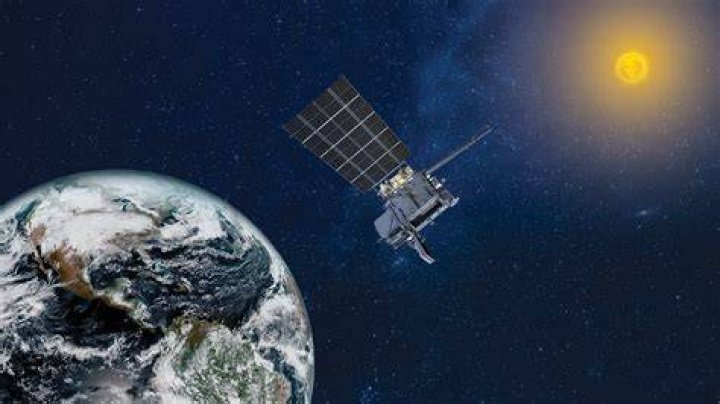
WASHINGTON The National Oceanic and Atmospheric Administration’s latest space-weather satellite has reached its operational orbit more than 1.5 million kilometers from Earth, the weather agency said.
The Deep Space Climate Observatory (DSCOVR) arrived at its intended orbit around 8 p.m. Eastern Daylight Time on June 7, and all systems are functioning nominally, NOAA spokesman John Leslie wrote in a June 9 email.
It will take NOAA and NASA, which built the satellite, until around August to verify that DSCOVR’s science instruments are working as intended, Leslie said. Once the instrument check-out is complete, DSCOVR will start feeding data to NOAA’s Space Weather Prediction Center in Boulder, Colorado — the hub of U.S. space-weather forecasting.
DSCOVR will eventually replace NASA’s 18 year-old Advanced Composition Explorer (ACE) as the primary U.S. space-weather satellite, NOAA said in its press release. ACE was launched in 1997 on what was supposed to be a five-year mission.
Some notable DSCOVR facts:
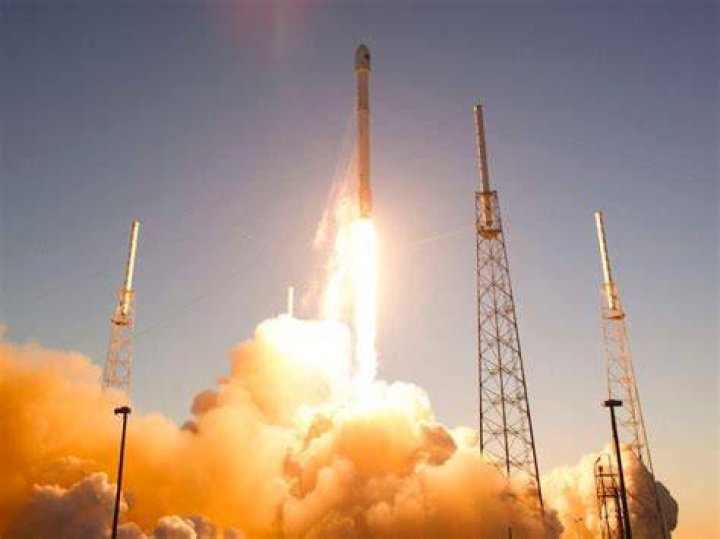
- DSCOVR was the first satellite SpaceX ever launched beyond Earth orbit. After three false starts, the company’s Falcon 9 rocket blasted the spacecraft to escape velocity Feb. 11.
- DSCOVR was not designed as a NOAA space-weather satellite. Proposed in 1998 by then Vice President Al Gore, DSCOVR began life as a NASA Earth-observation satellite called Triana. Launch was pencilled in for 2003 aboard the ill-fated Space Shuttle Columbia. DSCOVR’s launch was put on hold in 2001 and the spacecraft spent more than 10 years in a NASA hangar before finally launching. Some people still jokingly call the satellite “Goresat.”
