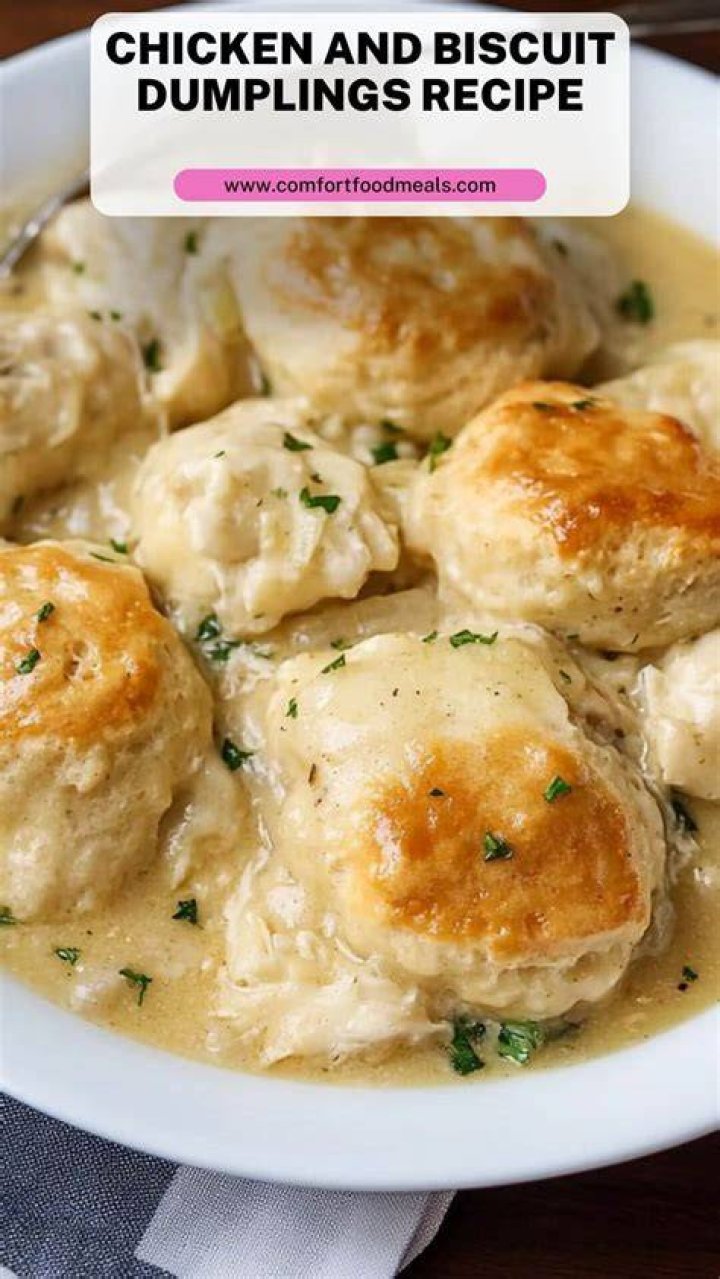
How do you tell if biscuit dumplings are done?
Answer
Run a skewer or a toothpick into one of the dumplings to see whether it is cooked through. When it comes out clean, it’s time to serve.
To put it another way, how do dumplings appear when they are finished?
Remove a dumpling from the pan and place the fork in the middle of the dumpling to split it. They are done when the middle is cooked through and fluffy, rather than thick and doughy, and the edges are golden brown.
Furthermore, do the dumplings float after they are finished cooking?
As a result, the starch molecules do not absorb much more water when they are finished, allowing the leftover water to evaporate and fill the air pockets, causing the dumpling to float. A floating dumpling, on the other hand, is truly overdone and hence assured to be ready when you want it (if the preconditions are met).
It’s also important to know how long it takes for a dumpling to cook.
3 to 4 minutes is recommended.
What is causing my dumplings to be firm in the middle?
Some people boil the dumplings in water, while others steam the dumplings in a steaming basket over water. If the dumplings are left to simmer for an excessive amount of time, they will turn hard. It is possible for the dumplings to contract and become hard after they have been cooked and left to stay in the warm environment (in the hot liquid or covered in the hot pot).
There were 33 related questions and answers found.
Is it possible to overcook dumplings?
Overcooking is just as harmful as undercooking when it comes to food. It is important not to overcook your dumplings. If you cook them for an excessive amount of time, they may dissolve.
What is causing my dumplings to be chewy?
Chewy dumplings are frequently the result of overworking the dough and/or rolling out the dough too thickly. In any case, soup dumplings have a thicker skin than other dumplings. If they were too thin, the dough would be more prone to failing when it came into contact with the liquid from the soup filling during the cooking process.
Is it possible to develop food illness from eating dumplings?
“DO NOT order Steamed Dumplings,” says the chef. You will get FOOD POISONING as a result of this.
Do you cook dumplings in a covered pan or an open pan?
(Please keep in mind that the dumplings will easily double in size throughout the cooking process.) Cook, covered, for approximately 15 minutes, or until the dumplings are cooked through and tender. Once you’ve covered the pan, don’t open it to check on the dumplings while they’re cooking! It is necessary to steam rather than boil the dumplings in order for them to be light and fluffy.
What is the best way to thicken chicken and dumplings?
In a mixing basin, combine the flour or cornstarch with just enough cold water to produce a thin paste that is free of lumps, but not too thin. It takes 3 to 4 tablespoons of thickening agent to thicken thin soup in a big pot, but only 1 or 2 teaspoons of thickening agent are needed for a small pot or if you simply want to gently thicken the broth.
How long should dumplings be steamed for?
Cook over high heat until the water comes to a boil. Place the steamer over the wok, making that the base does not come into contact with the water. 15 to 20 minutes, or until the dumplings are soft and cooked through, steam the dumplings.
What is the best way to cook dumplings?
Fill a big saucepan two-thirds of the way with water before starting to cook the dumplings. Cook over high heat, covered, until the water comes to a boil. Cook the dumplings until they float to the top of the pot, using as many as can easily fit in a single layer in the pot. Allow for an extra two to three minutes of cooking time.
Is it customary for dumplings to be doughy?
Make sure the stew is boiling when you add the dumplings so that the bottoms of the dumplings cook thoroughly right away. Reduce the heat to a low setting to continue gently cooking the dumplings until they are cooked through but not soggy or doughy in the middle.
Do you prefer to boil or steam your dumplings?
The traditional dumpling in a boiling form is now available. As far as differences go, the main difference between steaming and boiling dumplings is that the wrapper for boiled dumplings is often a little thicker since it has to endure boiling without breaking apart.
Is it okay to eat boiling dumplings?
When it comes to health, she says, “Steamed or boiled dumplings are a reasonable choice, but you need to consider things like the filling, serving size, and condiments you are using.” “Vegetable and seafood options contain the least amount of energy [kilojoules].”
What is the best way to make fluffy dumplings from scratch?
Steps Combine the flour, baking powder, and salt in a large mixing bowl. Make a well in the middle of the table. Combine the egg and milk in a large mixing bowl. Mix vigorously with a fork until just combined after pouring into the well in the flour mixture Place tablespoons at a time into boiling broth or gravy. Cook for 10 minutes with the lid off. Cook for another 10 minutes with the lid on. REMAIN SILENT.
My dumplings fell apart, and I’m not sure why.
When you’re placing the dumplings into the saucepan of boiling water, carefully stir the dumplings every few seconds. You don’t want the dumplings to get stuck to the bottom of the pot throughout the cooking process. If it adheres to the surface of the water, the skin will split apart when you remove it from the water. If you boil the dumplings for an excessive amount of time, the skin will begin to break apart.
What is the best flour to use while making dumplings?
Dumpling flour is composed entirely of wheat and is used to make the flexible doughs that are used in Chinese dumplings, as well as noodles and sticky buns. It is gluten-free.
What kind of dishes can I prepare using dumplings?
Potstickers from the freezer may be transformed into weeknight dinners in a snap. Toss them into a stir-fry dish. Serve them with a slaw in the Asian manner. Add them to the soup and mix well. They’re a great way to dress up a rice dish. Toss them into a pasta salad with your favourite Asian-style dressing and enjoy! Instead of using noodles, use them to make pad Thai. Toss them into a salad and enjoy. Grilling them is a good option.
Post Views:12