Discovering The Charm Of Jaguar Kittens
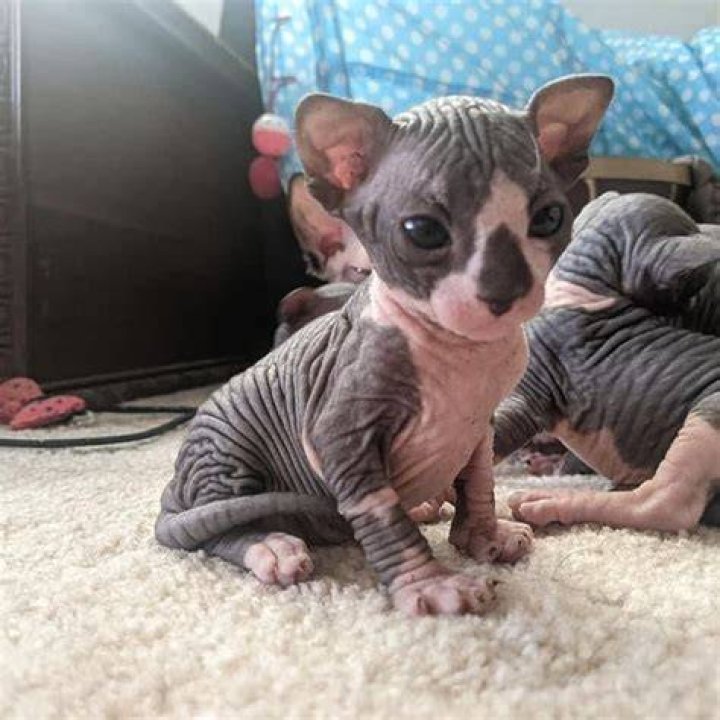
Jaguar kittens are one of nature's most captivating creations, filled with charm and wild energy. These adorable little felines are more than just cute faces; they represent a vital part of our ecosystem and are a symbol of strength and beauty in the wild. From their unique spots to their playful antics, these kittens have a way of capturing the hearts of all who encounter them. As they grow, these young jaguars develop distinctive characteristics that set them apart from their peers, showcasing the incredible diversity of wildlife on our planet. Learning about jaguar kittens not only satisfies our curiosity but also inspires us to protect their natural habitats.
In this article, we will explore the fascinating world of jaguar kittens, delving into their behavior, habitat, and the challenges they face in the wild. Additionally, we will discuss the crucial role of conservation efforts aimed at protecting these magnificent creatures from extinction. With their striking appearance and playful nature, jaguar kittens are not only adorable but also an important part of the broader narrative of wildlife preservation.
Join us as we uncover the enchanting stories of jaguar kittens, their growth journey, and the initiatives underway to ensure their survival for generations to come. By understanding these remarkable animals, we can all play a part in protecting the beauty of the natural world.
What Do Jaguar Kittens Look Like?
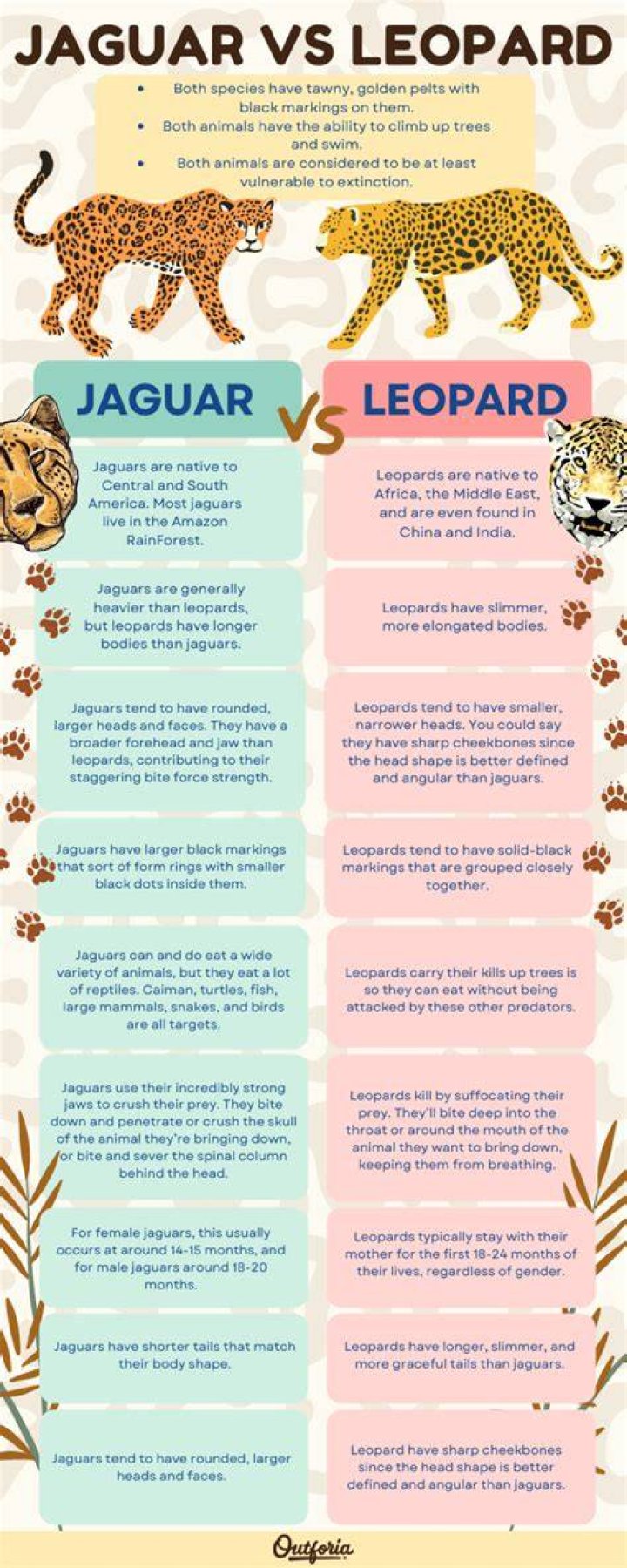
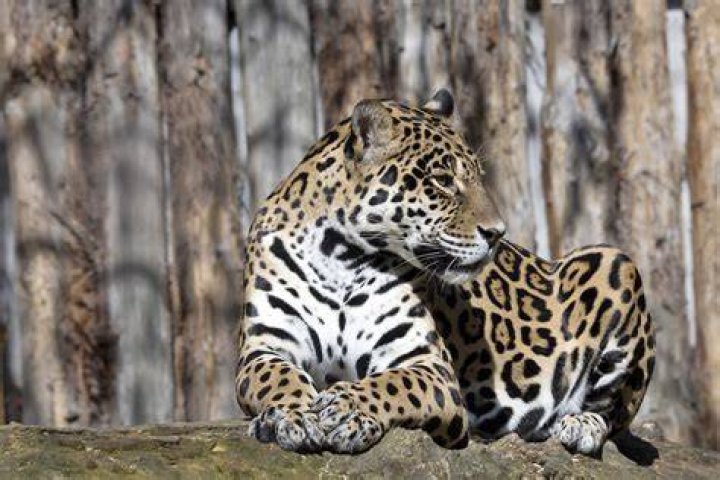
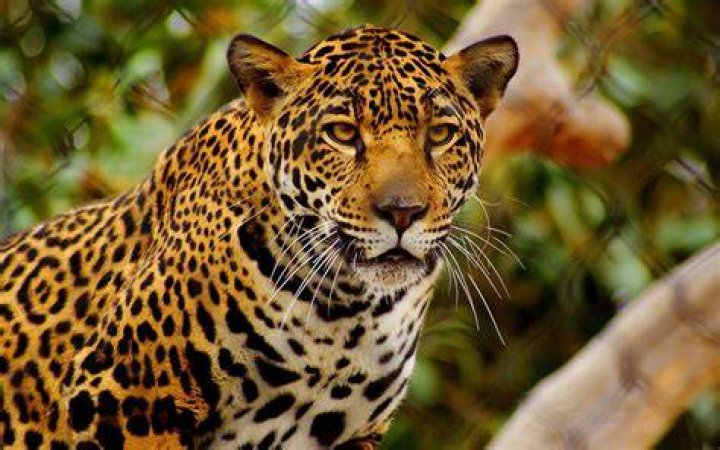
Jaguar kittens are born with a striking appearance that captures the essence of their species. These young felines are covered in soft, spotted fur that provides excellent camouflage in their natural habitat. Here are some key features of their appearance:
- Soft, fluffy fur that starts out lighter in color.
- Distinctive rosettes that develop as they grow older.
- Large, expressive eyes that are typically blue at birth and change to amber as they mature.
Where Do Jaguar Kittens Live?
Jaguar kittens are primarily found in the dense rainforests, wetlands, and grasslands of Central and South America. Their preferred habitats include:
- The Amazon Rainforest
- The Pantanal Wetlands
- Dry forests and scrublands
These environments provide the necessary cover and resources for them to thrive, as jaguar kittens are adept at climbing trees and swimming.
How Do Jaguar Kittens Learn to Hunt?
From an early age, jaguar kittens begin to learn essential survival skills from their mothers. They are taught how to stalk and ambush prey, which is crucial for their development. This learning process includes:
- Observing their mother hunt.
- Practicing stalking techniques through play.
- Engaging in mock hunts with siblings.
What Do Jaguar Kittens Eat?
Jaguar kittens start their lives primarily consuming their mother's milk. As they grow, their diet evolves to include a variety of prey, such as:
- Capybaras
- Deer
- Birds and reptiles
This diverse diet helps them develop the necessary skills to hunt independently as they mature.
What Are the Main Threats to Jaguar Kittens?
Despite their strength and adaptability, jaguar kittens face numerous threats in the wild. Some of the most significant challenges include:
- Habitat loss due to deforestation and urbanization.
- Poaching and illegal wildlife trade.
- Human-wildlife conflict as they venture into agricultural areas.
How Can We Help Protect Jaguar Kittens?
Conservation efforts are essential to ensure the survival of jaguar kittens and their habitats. Here are some actions individuals can take to contribute:
- Support wildlife conservation organizations.
- Advocate for sustainable land-use practices.
- Educate others about the importance of protecting jaguars and their ecosystems.
What Is the Role of Zoos in Protecting Jaguar Kittens?
Zoos play a critical role in the conservation of jaguar kittens by participating in breeding programs and educational initiatives. These programs aim to:
- Increase the genetic diversity of captive populations.
- Raise awareness about the threats facing wild jaguars.
- Enable research on jaguar behavior and health.
Conclusion: Why Are Jaguar Kittens Important for Biodiversity?
Jaguar kittens are not just adorable creatures; they are vital to the health of their ecosystems. As apex predators, they help maintain the balance of wildlife populations, ensuring that no single species dominates. Protecting jaguar kittens means safeguarding our planet's biodiversity, making it essential for conservation efforts to continue. By understanding and supporting the survival of these magnificent animals, we contribute to a healthier planet for all species.
Unveiling The Iconic Fortnight Dress Of Taylor Swift
Discovering The Joys Of Tracker Jensen Ackles' Baby
Exploring The Life Of Donna Mills And Her Husband Richard Holland